
Green Loop Living
Start zero waste living without the guilt trip
An editorial resource for UK households cutting waste at a pace that holds. Whether you want a full kitchen reset or one disposable habit swapped this month, the guides start where your home actually is.
Where most people actually begin
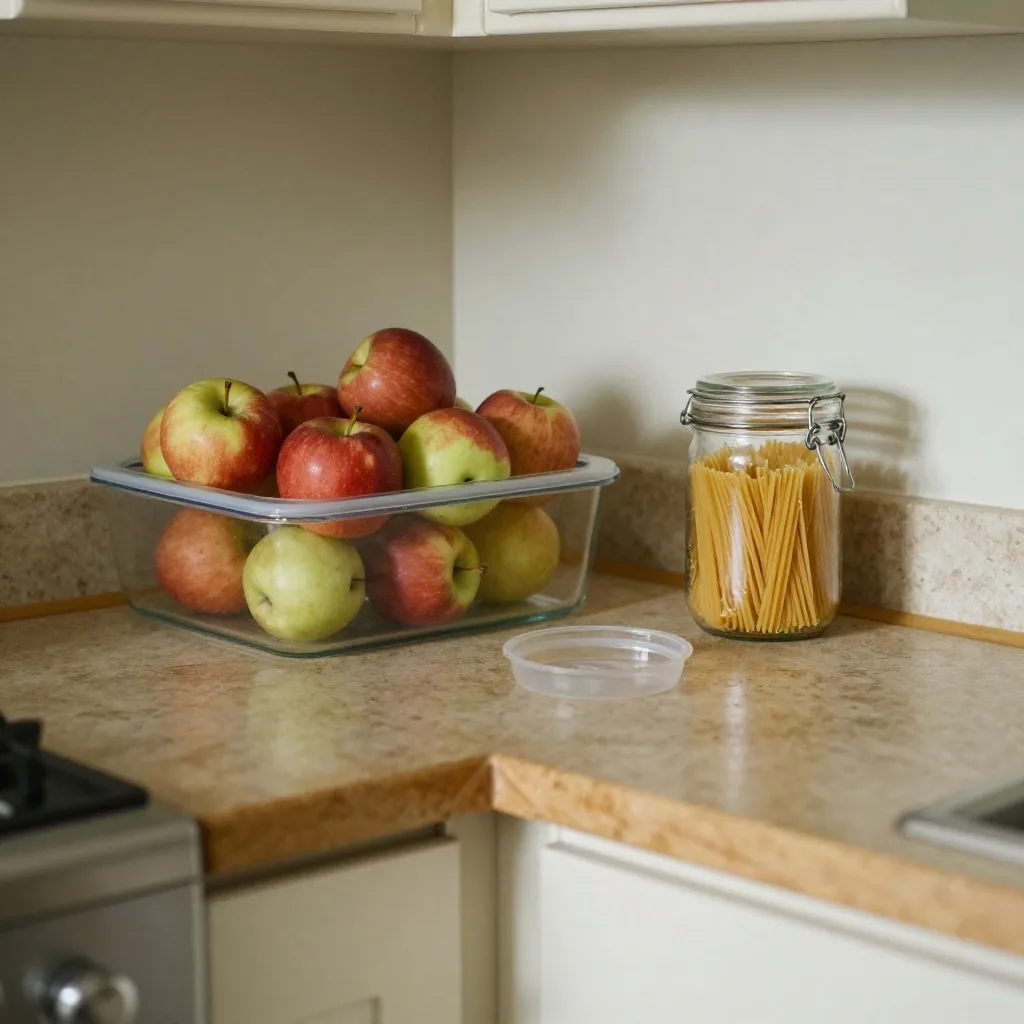
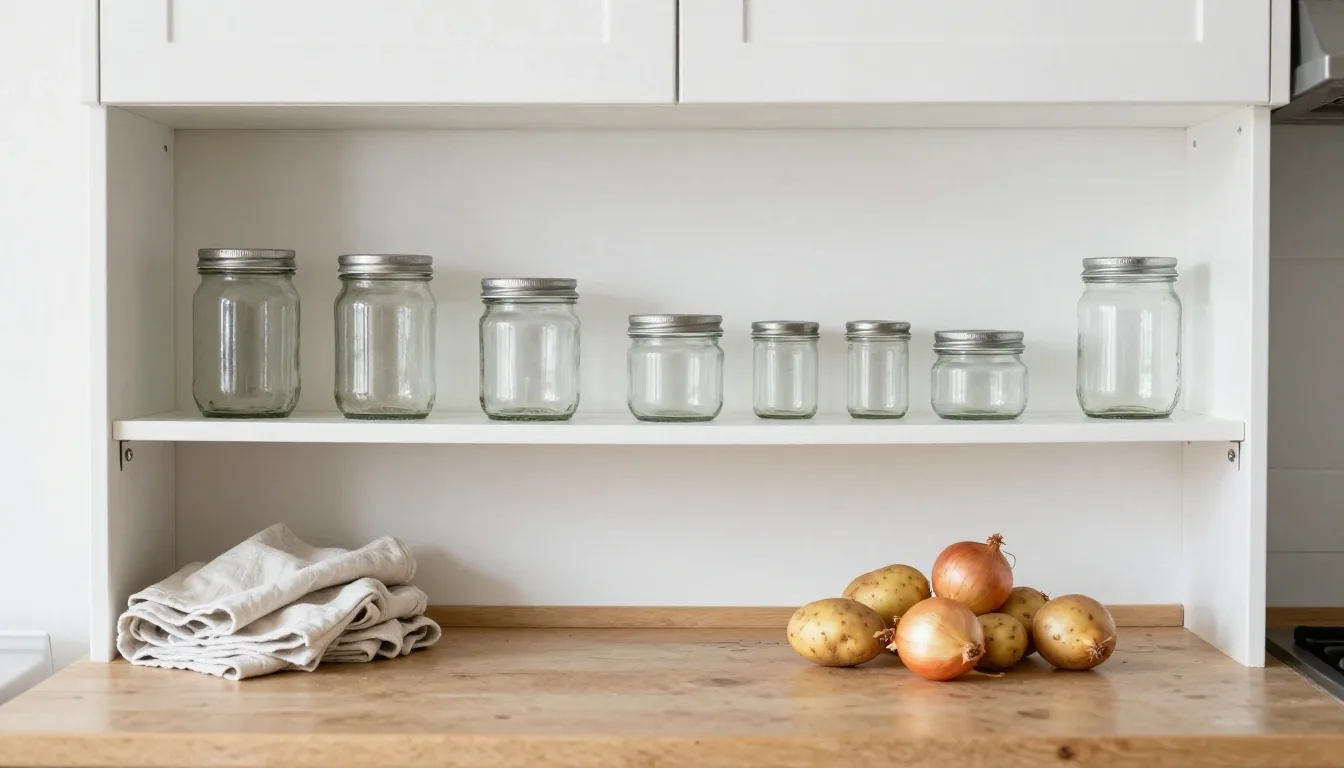
The first useful step is not a bin audit. It is picking one room and one habit you touch daily. For most UK homes that is the kitchen, because food packaging, cling film, and takeaway containers pile up faster there than anywhere else.
- Week one Watch what you throw away. No changes, no shopping list. You are looking for the habit you reach for most, not the one that sounds the most virtuous.
- Weeks two to three Swap the easiest three items. For a lot of homes that means a reusable produce bag, a glass container instead of a plastic tub, and one cloth replacing kitchen roll.
- Week four Move outward to the next room. The zero waste starter guide walks the whole four-week sequence, and you choose the pace rather than the other way round.
Nothing here assumes you have a bulk store nearby, a garden, or unlimited time.
The honest definition
Less waste. Really.
We use the term honestly. A household of four in a rented flat is not going to produce a single jar of landfill waste a year, and anyone claiming otherwise is selling something. What is realistic is a steady reduction: fewer single-use items, better use of what you already own, and food scraps going somewhere other than the bin.
That is the loop we write about — how to reduce household waste without a wholesale lifestyle overhaul, and what sustainable lifestyle habits look like on an ordinary Tuesday in a British home. Composting at home covers the food-scrap half even if you only have a balcony.
Guides organised by how far along you are
Some readers are standing in the shop wondering which produce bag to buy. Others have a shelf of empty glass jars and no plan. The site sorts its material that way.
Just starting
Zero Waste Starter Guide
A four-week plan with a zero waste starter kit checklist you can build in one shopping trip, including a use-what-you-have column so you are not buying new things to be less wasteful.
Partway in
Low Waste Home Guide
Room-by-room swaps for flats and rented homes, written for people who have made a start and want the next change to be the one that sticks.
Kitchen and shop
Kitchen & Shopping Swaps
Zero waste kitchen swaps, plastic free food storage, reusable produce bags, beeswax wraps usage and care, and sustainable shopping tips including how to buy in bulk without waste.
The craft side
Upcycling Projects
Creative upcycling ideas and simple upcycling projects: how to upcycle glass jars, repurposing old clothes as cloths before anything else, and upcycled home decor DIY for a rented flat.
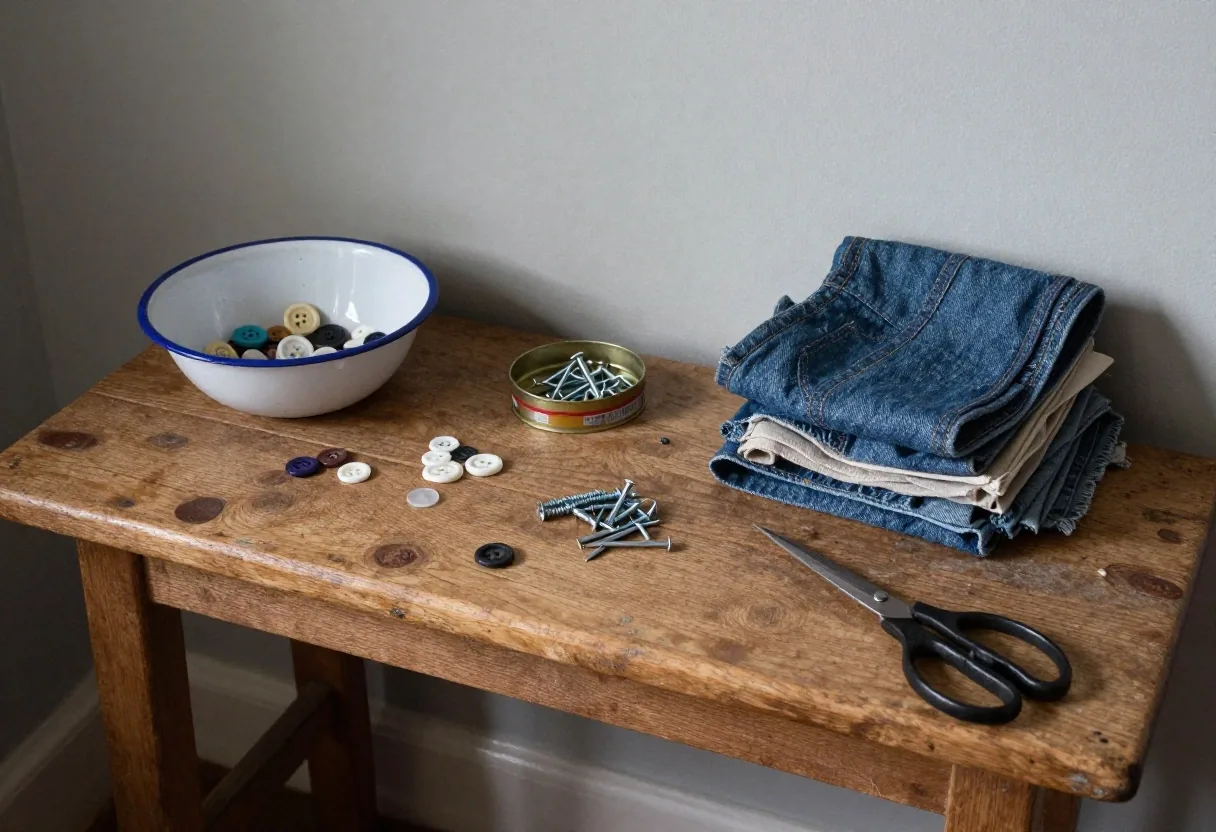
Upcycling is the half people skip
Reducing what you buy is only one side of the loop. The other is keeping what you already have in use for longer. That is where upcycling comes in, and it is different from recycling. Recycling breaks a material down and remakes it, usually with an energy cost and often downcycling the quality. Upcycling reuses the item as it is, or close to it.
- Upcycling
- A jam jar becomes a spice container. An old shirt becomes cleaning cloths before it becomes anything else. The material keeps its shape and its usefulness.
- Recycling
- Glass, card, and metal go into the council collection and get broken down to make new material. Still worth doing, and still the last stop rather than the first.
- Buying new
- The last resort on this site. When a guide mentions sustainable home essentials, it says plainly which ones you probably already own.
New to this? Read these three first
Three guides cover most first-month questions. Read them in any order — each one stands on its own.
Zero Waste Starter Guide
A four-week plan with a zero waste starter kit checklist you can build in one shopping trip.
Low Waste Home Guide
Swaps that do not require replacing everything you own, written for flats and rented homes.
Upcycling Projects
Glass jars, old clothes, and the items most households throw out too early.
How we research and update guides
Each guide is written from published UK council guidance, manufacturer care instructions, and our own testing of the methods described.
-
Where the information comes from
Council collection rules, packaging and care instructions from the people who make the product, and what happens when we actually try the method at home.
-
When a claim depends on conditions
Beeswax wrap lifespan, for example, depends on how you wash it. We cover that on the kitchen swaps page rather than pretending it lasts forever.
-
When pages get reviewed
Pages are reviewed when UK guidance or common products change, so the advice on this site stays close to how collections and packaging actually work now.
-
If something looks wrong
Tell us. The contact page has a form for corrections and we would rather fix a page than leave it quietly out of date.
The starter kit, without the sales pitch
A zero waste starter kit does not need to cost much. You probably own half of it already, and buying new things to be less wasteful is its own trap. The starter guide includes a checklist with a use-what-you-have column for exactly that reason.
If you want to start this week, pick one row below and work from there. Reusing everyday items you already have beats a fresh order every time.
| Item | Often already owned | What it replaces |
|---|---|---|
| Reusable produce bags | Sometimes — cotton bags work fine | Thin plastic bags, where they are still given out |
| Glass storage containers | Often — clean takeaway jars count | Plastic tubs, cling film, foil |
| A water bottle you will carry | Usually — one that fits your bag | Bottled water bought on the way out |
| Cleaning cloths | Often — old cotton shirts cut down | Kitchen roll and disposable wipes |
| Countertop food caddy | Sometimes — depends on your council | Food scraps going into general waste |
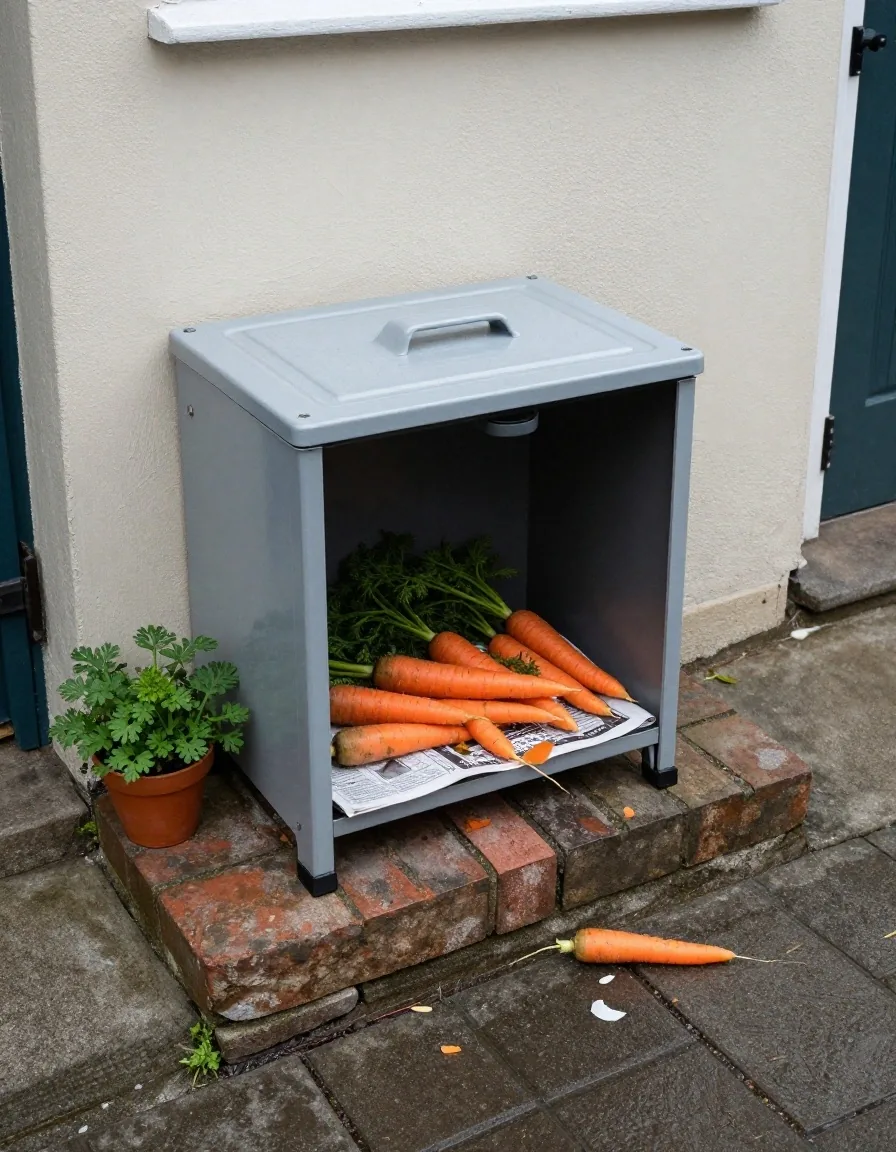
Composting without a garden
Food scraps are the heaviest part of most household bins by weight. If you have no outdoor space, a small countertop caddy plus a council food waste collection, where available, handles it. If you do have a garden or balcony, a basic compost bin works.
The composting guide covers what can and cannot go in, and the three problems beginners hit most often: smell, fruit flies, and a bin that never seems to break down. None of them mean you did it wrong.
Read the composting guideShopping habits that outlast trends
Buying in bulk reduces packaging per item, but only for things you use before they spoil. Reusable produce bags help when loose produce is available. Neither matters much if the food gets thrown out, so we treat waste reduction as three connected habits rather than a shopping list.
Buy less
Frequency matters more than brand. A bulk bag of something you actually finish is a good buy; a bulk bag of something you half-finish is packaging with extra steps. This is the part of sustainable shopping tips people skip.
Use what you buy
Store food so it lasts: glass containers in the fridge, a cloth over salad, older vegetables moved to the front where you will see them. Plastic free food storage is mostly about keeping things visible.
Repair or repurpose the rest
Before anything leaves the house, ask whether it has a second job. Jars, shirts, and sturdy boxes usually do. That is the difference between upcycling vs recycling put into practice.
Eco friendly kitchen cleaning fits in the same frame: vinegar, bicarbonate of soda, and a cloth do most of what a shelf of specialist sprays claims to. Fewer bottles, less packaging, and nothing you have to store under the sink for a decade.
Who writes this
Green Loop Living is an independent UK editorial site. We are not a shop and we do not run affiliate placements inside guide content. If a page mentions a type of product, it is because the method needs it, not because someone paid.
You can read more about how the site is run, and how to flag anything that looks out of date, on the about page. That includes our approach to eco friendly living ideas sourced from outside this site.
Reach the editors
- Post
- 42 Bramley Road, Bristol, BS6 5BT, United Kingdom
- [email protected]
- Phone
- +44 117 496 0283
- Office hours
- Monday to Friday, 9:00 AM – 6:00 PM. Saturday, 10:00 AM – 2:00 PM.
Questions people ask before starting
Short answers to the four things that come up most often. Every guide carries more detail on the same page it belongs to.
Do I need to buy a lot of special products to start?
No. Most starter kits are reusable items you likely already own. The guide includes a use-what-you-have column so you can avoid buying new things unnecessarily.
Is zero waste living realistic for a family in a flat?
Full zero waste is not realistic for most households. Meaningful reduction is. The low waste home guide is written for flats and rented homes without gardens.
What is the difference between upcycling and recycling?
Recycling breaks material down to make something new, often of lower quality. Upcycling keeps the item in use, like turning a glass jar into storage. Both matter, but upcycling usually uses less energy.
How often are the guides updated?
Pages are reviewed when UK guidance or common products change. If you spot something out of date, the contact page has a form for corrections.
Try one swap this week
Pick the disposable item you throw away most often. Replace that one thing. Then come back and read the next guide when you are ready. That is the whole method, and it works better than a total overhaul you abandon by February.