
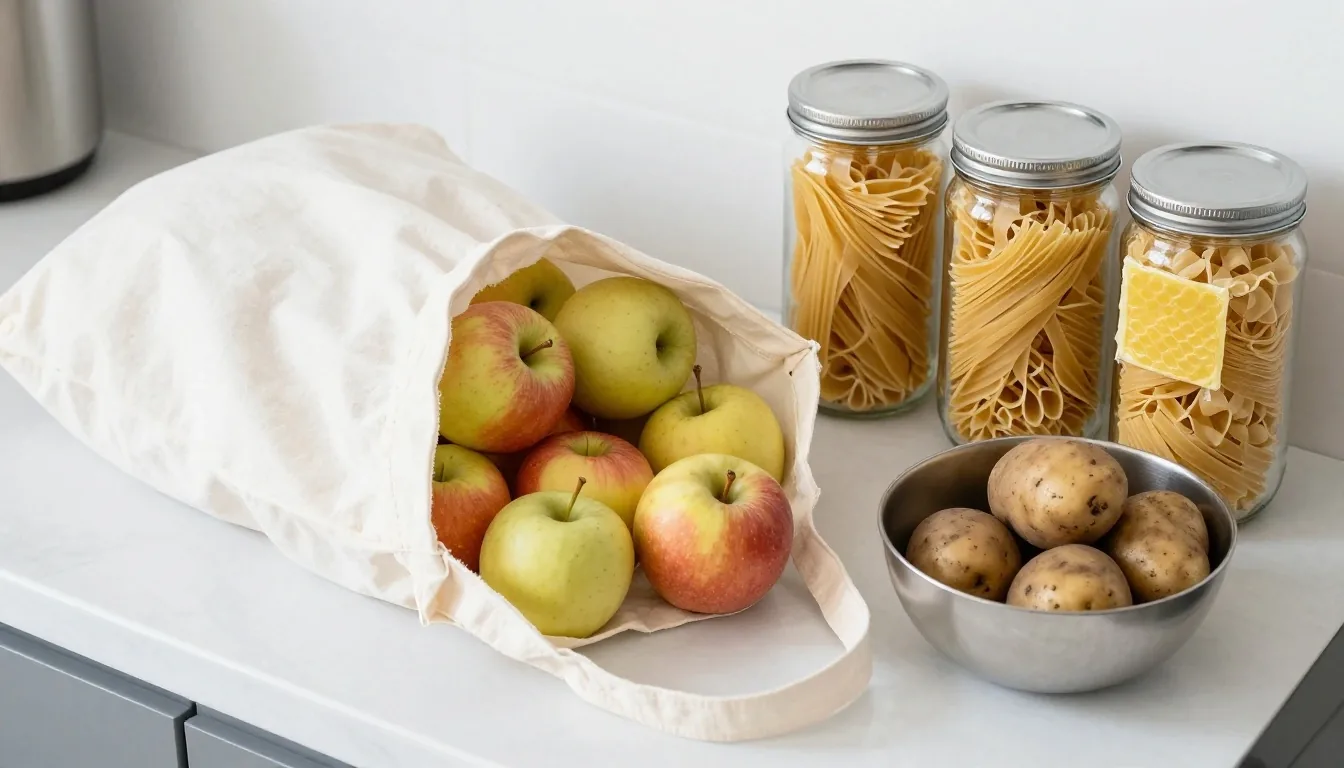
Kitchen and shopping
Kitchen and shopping swaps that reduce plastic
Kitchens generate more packaging waste than any other room, and most of it comes from a short list of repeat purchases. This page covers the swaps worth making first, how to look after the items you buy, and how to shop in a way that keeps the packaging down without adding a second weekly trip.
Written for UK homes — where the packaging actually piles up.
The short list
What the bin actually fills up with
Most kitchen waste is not exotic. It is film over half a cucumber, a bag inside a bag, produce you already own containers for, and a fortnightly shop bought without a plan. Changing five habits moves more weight than changing twenty products.
- Films Cling film and lidding film
- Bags Thin produce bags, forgotten at home
- Bottles Cleaning sprays and thin refills
- Duplicates Second jars you did not need
- Trips One item per delivery
Swap the top two rows first. They cost the least to change and appear in the bin most often.
One swap at a time
Film out. Lids on.
You do not need a zero waste starter kit to begin. Two glass containers, one stainless box, and a set of lids you actually keep track of will handle most of what cling film used to do — and nothing has to be bought in a single expensive order.
- Reusable produce bags and jars already in your cupboard count toward the starter kit.
- Buy replacements when something genuinely runs out, not before.
- Keep one container size you know fits your fridge shelf and your bag.
- Write the day on the lid if leftovers regularly get lost at the back.
Food storage without single-use film
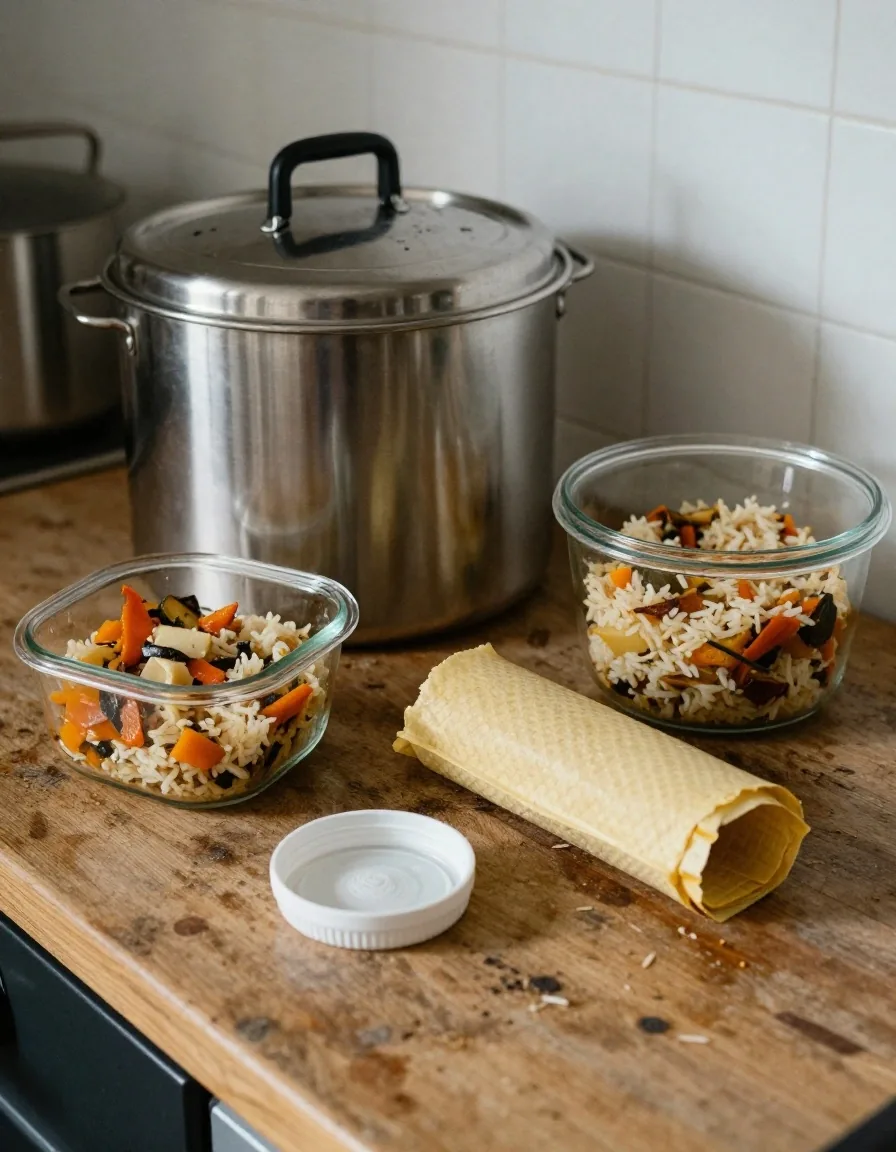
Cling film is one of the easiest things to replace. Glass or stainless containers with lids cover leftovers, and they last years. Beeswax wraps work for cheese, bread, and half-cut vegetables, but they need care: wash in cool water with mild soap, never hot, and they will last several months before they need refreshing or replacing. They are not a cling film substitute for raw meat.
- Use wraps for
- Cheese, a cut loaf, half an onion, an apple, the end of a cucumber. Cool, dry surfaces only.
- Do not use wraps for
- Raw meat, fish, or anything still warm. Use a lidded container that can go straight into the fridge.
- Washing
- Cool water, mild soap, a light wipe. Hot water strips the wax and shortens the life of the wrap.
- When to retire one
- When it stops holding a fold, or smells of old food. Cut it up and use it as a firelighter or bin liner wrap.
Reusable produce bags
Produce bags only help if they are with you when you shop. Keep them in your coat or bag rather than in a kitchen drawer, since the bag you forget does no work. Loose produce is usually available for most fruit and vegetables. Where it is not, a paper bag or nothing at all is often fine.
Everyday bag
Thin cotton or mesh, big enough for a full shop of loose veg. Rinse and air-dry after leafy greens.
Jars and tubs
Useful where produce is sold loose from open crates: nuts, dried fruit, olives, and small items that roll.
Keep them moving
One set in the boot, one by the front door, one in the coat you wear most. Three is plenty.
Most UK supermarkets and market stalls will weigh loose produce at the till without a bag. Ask if you are unsure — staff are normally happy to.
Eco-friendly kitchen cleaning
White vinegar, baking soda, and a mild soap cover most cleaning jobs. Do not mix vinegar and bleach, and do not mix vinegar and hydrogen peroxide in the same container, as both combinations produce hazardous fumes. Store them separately and use one at a time. If you are unsure, plain soap and water is always safe.
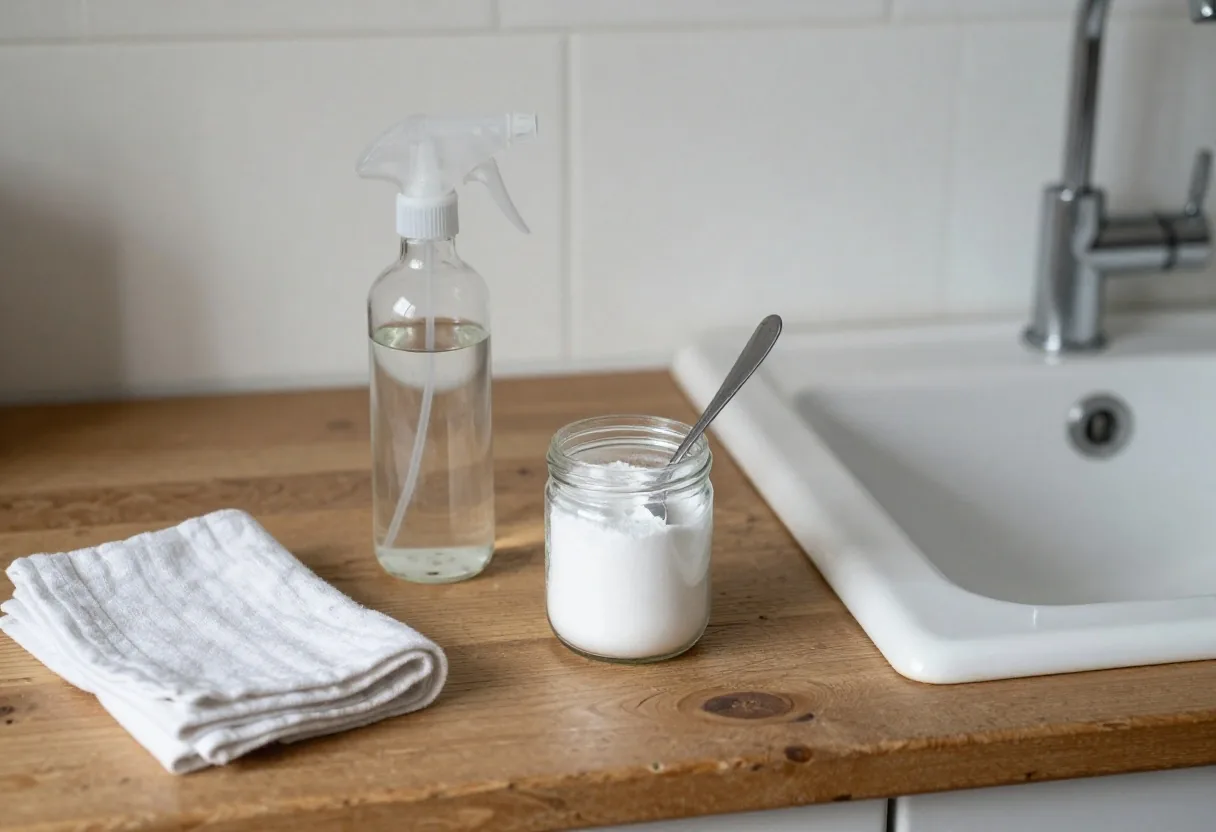
Safe together
Vinegar + water
Good on glass, taps, and worktops. Leave it a minute, wipe with a damp cloth, dry for a streak-free finish.
Safe together
Baking soda + water
A gentle paste for the sink, the oven door, and tea stains in cups. Rinse well so no white residue is left behind.
Never mix
Vinegar + bleach, or vinegar + hydrogen peroxide
Both pairings give off hazardous fumes, even in small amounts. Keep the bottles apart and use one product at a time.
Buying in bulk without waste
Buying in bulk reduces packaging per item only when you finish what you buy. Buy from a shop you pass regularly, and take your own containers where the shop allows it. Start with dry goods you get through quickly: rice, oats, pasta, dried fruit. Spices are a bad place to start in bulk unless you cook with them heavily.
Weigh your container empty before you fill it so the shop can subtract the weight at the till. A strip of masking tape on the lid with the weight written on it saves an argument later.
- Good bulk starters
- Rice, oats, pasta, lentils, dried fruit
- Slow down on
- Spices, unusual grains, anything you have binned before
- Bring with you
- Jars, tubs, cotton bags, the empty weight of each
- Where to buy
- A shop you pass weekly, not one you have to detour to
If a refill is more expensive than the packaged version and you would not finish it, the packaged version is the more sensible purchase that week.
Shopping habits that reduce packaging
The parts of shopping that reduce waste most are unglamorous: a list, a meal plan for the week, and buying only what is on it. Loose fruit and vegetables usually have less packaging than pre-cut. If you order online, consolidating into fewer deliveries cuts packaging overall. These habits matter more than which brand you choose.
What we have found helps
- A meal plan made before the shop, not after you get home with the bags.
- Loose fruit and veg as the default, pre-cut only when time is the real constraint.
- Fewer, larger online deliveries instead of two or three small ones in a week.
- One shop you already pass, so the trip does not become a separate journey.
Where habits slip
- Shopping hungry or without a list, then buying what will not get eaten.
- Buying a new gadget for a job a jar or tub already does.
- + + Bags and containers stored in the kitchen drawer instead of the bag you carry. + +
- + + One online order for one forgotten item mid-week. + +
The same approach, room by room, once the kitchen habits hold.
++ What to do with what you cannot avoid +
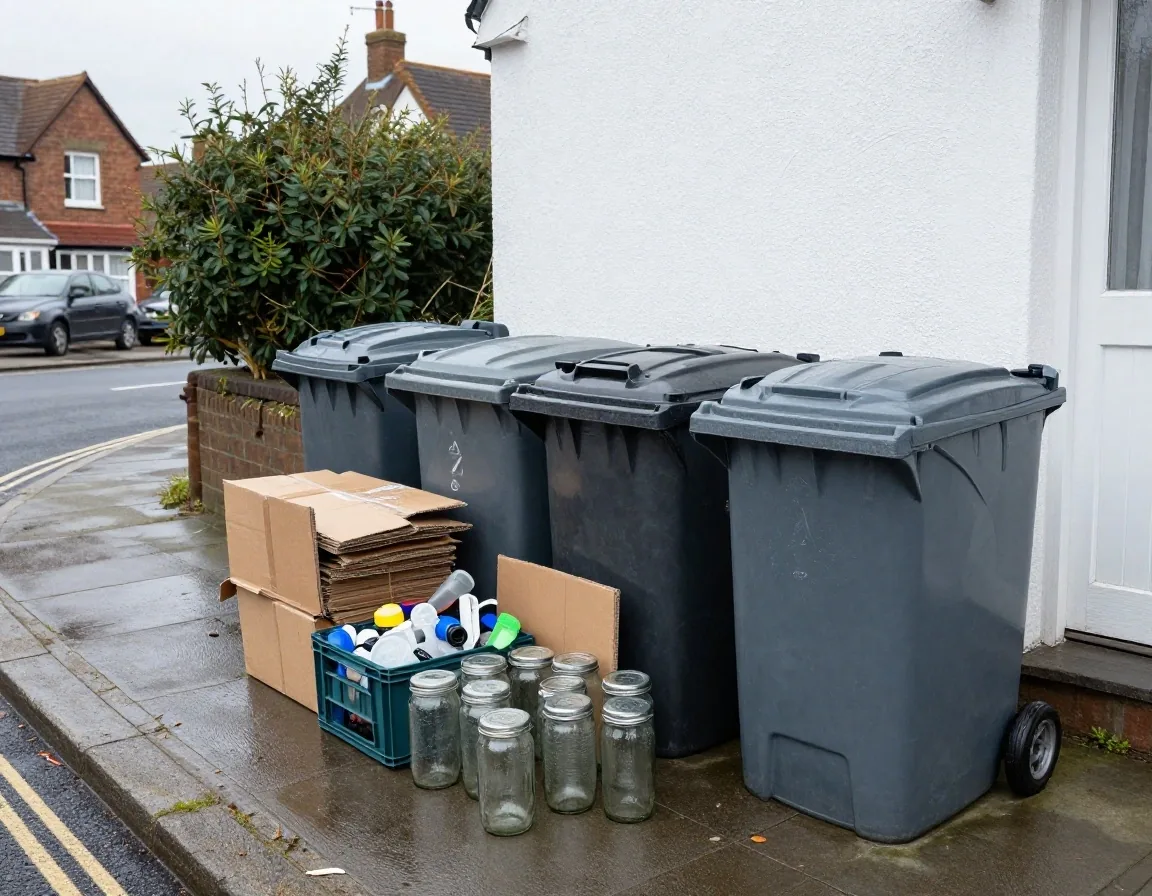
++ Some packaging is unavoidable. Rinse and recycle what your council accepts, and check local rules since collections differ across the UK. Soft plastics are accepted at some supermarket collection points and not others. If in doubt, check your council's guidance rather than guessing. +
+-
+
- Check your council first +
- Collections differ between Bristol, neighbouring authorities, and the rest of the UK. What a friend recycles down the road may not be collected where you are. +
- Rinse before you sort +
- Food residue on glass and plastics is the most common reason a load is rejected. A quick rinse is usually enough. +
- Soft plastics are a separate trip +
- Film, crisp packets, and carrier bags go to a supermarket collection point where one is nearby. If you would not otherwise visit, keep them until you do. +
 +
+ + Questions we get about these swaps +
++ If your question is not here, write to us and we will answer it plainly. We do not sell kitchen equipment, so the answer will not point you at a particular brand. +
+ + + Get in touch + +
+ Do beeswax wraps replace cling film everywhere?
+
+
+ + No. They are good for cheese, bread, and half-cut vegetables, and they need cool water and mild soap to survive. They are not a cling film substitute for raw meat, so keep a lidded container for that. +
+
+ Is buying in bulk actually cheaper?
+
+
+ + Often, but not always, and never if the bag goes stale at the back of the cupboard. The real saving is packaging per item when you finish what you buy. Start with rice, oats, pasta, and dried fruit, which get used quickly. +
+
+ Can I clean the whole kitchen with vinegar?
+
+
+ + Vinegar and water handles glass, taps, and general worktop wiping. It is not the right answer for everything, and it must never meet bleach or hydrogen peroxide in the same container. Plain soap and water is the safe default. +
+
+ Where do soft plastics actually go?
+
+
+ + Some supermarkets take them at a collection point and others do not, and council collections differ across the UK. Check your local guidance rather than guessing — putting soft plastics in the wrong bin can affect the whole load. +
+
+ How many containers do I need to start?
+
+
+ + Fewer than you think. Two glass containers with lids, one stainless box, and one set of produce bags covers most kitchens. Add more only when you notice you keep running short of a specific size. +
++ Beyond the kitchen +
++ Once these habits are steady, the low waste home guide takes the same approach through the rest of the house. Composting is the other half of kitchen waste, and the composting guide covers that separately because it deserves its own page. +
+ + +
+ + Green Loop Living is an editorial resource for UK households — we publish practical guides and starter resources, and we do not sell kitchen equipment. If you want to talk through a swap before you buy anything, our address is 42 Bramley Road, Bristol, BS6 5BT, and we answer email at [email protected] during working hours, Monday to Friday 9:00 AM – 6:00 PM and Saturday 10:00 AM – 2:00 PM. +
+