
Room-by-room low waste guide
A low waste home guide, room by room
Whole-house overhauls fail because they ask you to replace everything at once. This guide works the other way: one room at a time, starting with whichever you use most. The aim is reducing what comes in and extending what is already there, not buying a new set of eco-friendly products.
Start with the room you use most
For most people that is the kitchen, then the bathroom. Pick one. Changing habits in a single room lets you see what actually works before you spend money on the next one. If you rent and cannot alter fixtures, none of this requires it.
Rooms get harder to change the more you try to change at once. One room keeps the work visible: you notice which containers actually seal, which cloths survive a wash, and which habits hold on a busy week. That is the whole feedback loop this guide relies on.
A sensible first order
- Kitchen first, because it produces the most waste by weight and volume.
- Bathroom second, because it produces the most plastic per item.
- Living room and bedroom third, where textiles and furniture live.
Move on only when the swaps in one room have stopped feeling like effort.
The rule that saves the most
Nothing comes through the door unless it has somewhere to live
Before the swaps, before the containers, sort out where things go. A home with a place for the produce bag, the cloth bin and the repair kit wastes far less than one that buys its way out, room by room.
- Kitchen
- Bathroom
- Living spaces
Kitchen: the highest-volume room
Everything here comes down to three streams. Deal with them in this order and the kitchen stops being the room you empty most often.
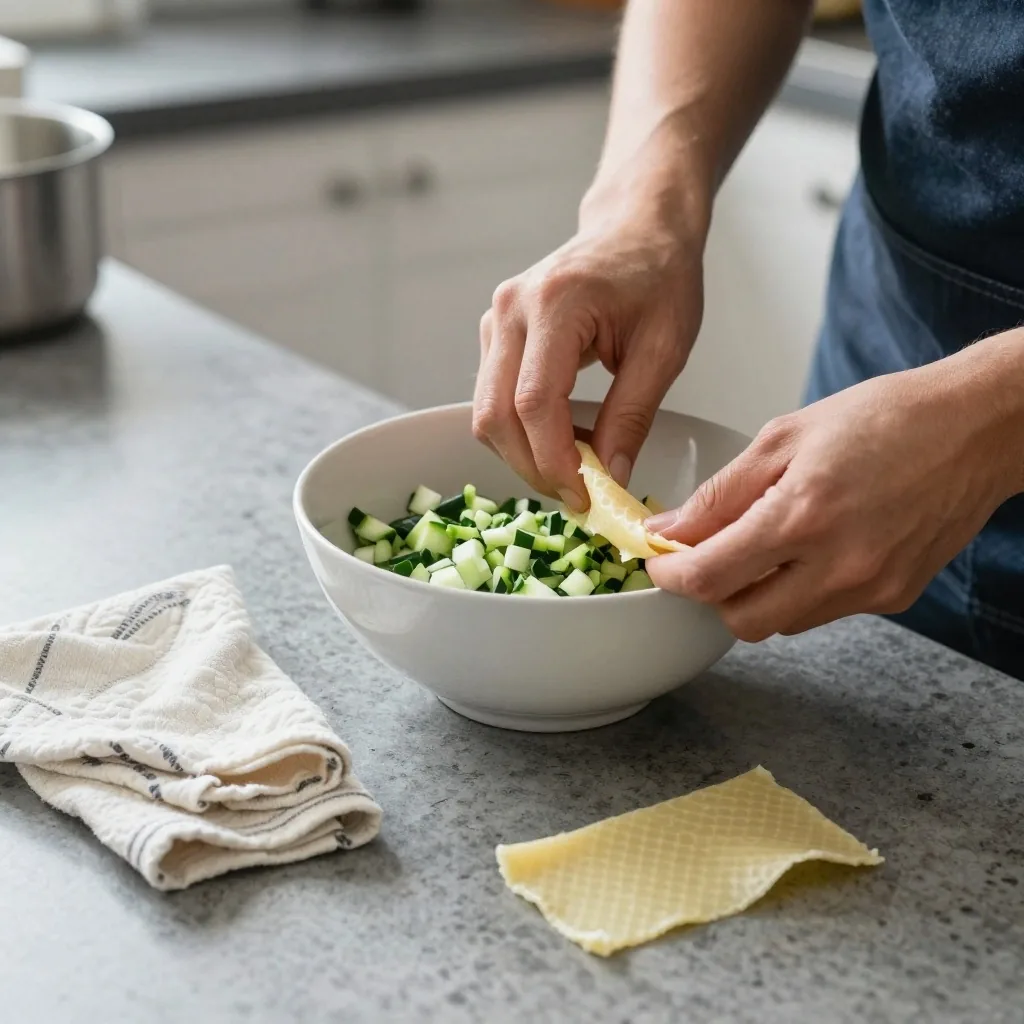
Beeswax wraps work for cheese, bread and cut vegetables. They do not like hot water or raw meat, and they last longer washed in cool water with a little soap. You can find the full care and reuse notes in the kitchen swaps guide.
Packaging
Fix firstReusable containers and produce bags cut most of it. Take the bag to the shop or a covered market and pack the loose fruit and vegetables straight into it. Keep two produce bags somewhere you will actually pick them up on the way out.
Food scraps
A food waste caddy handles the peels, tea leaves and plate scraps. If your council collects food waste, keep the caddy lined and emptied on a routine you will not forget. Composting food scraps at home is worth setting up if you have outside space and want a steady supply for planting.
Food thrown out before it is finished
This one is a shopping habit problem, not a product problem. Buy less of what you throw away most and shift the meal plan around what is already in the fridge. The kitchen swaps guide covers this properly, including how to buy in bulk without ending up with three years of one spice.
Bathroom: smaller swaps, steady returns
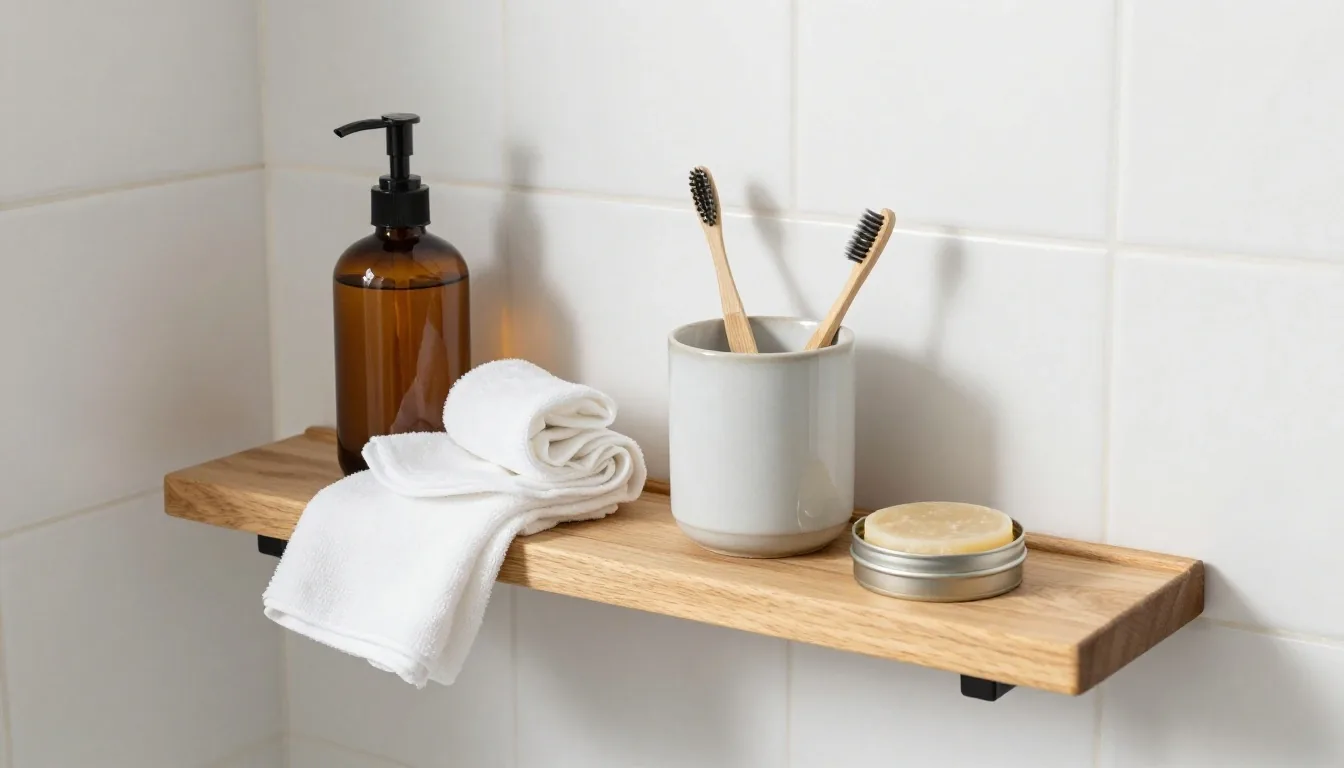
Bathrooms generate less weight but more plastic per item. Bar soap in place of bottled wash, a refillable option where one is available in your area, and avoiding single-use cotton rounds cover most of it.
- Bar soap Lasts longer per gram, comes in paper, and works for hands, face and body. Keep it on a draining dish so it does not sit in water.
- Refills Worth doing where a refill station or refill delivery exists nearby. If the nearest option is a long drive, bottled is the lower-waste choice for now.
- Cotton rounds Washable pads replace the single-use box. Buy a set of six or eight and keep them in a small bin next to the wash basin.
- Pace Do not rush this room. Items here get replaced slowly, so buy replacements only as things run out. Nothing in a bathroom needs to be bought twice.
The honest result of a bathroom swap is modest. You will not notice it in a photo, but the bin fills more slowly, and the plastic that leaves the house drops item by item.
Living room and bedroom
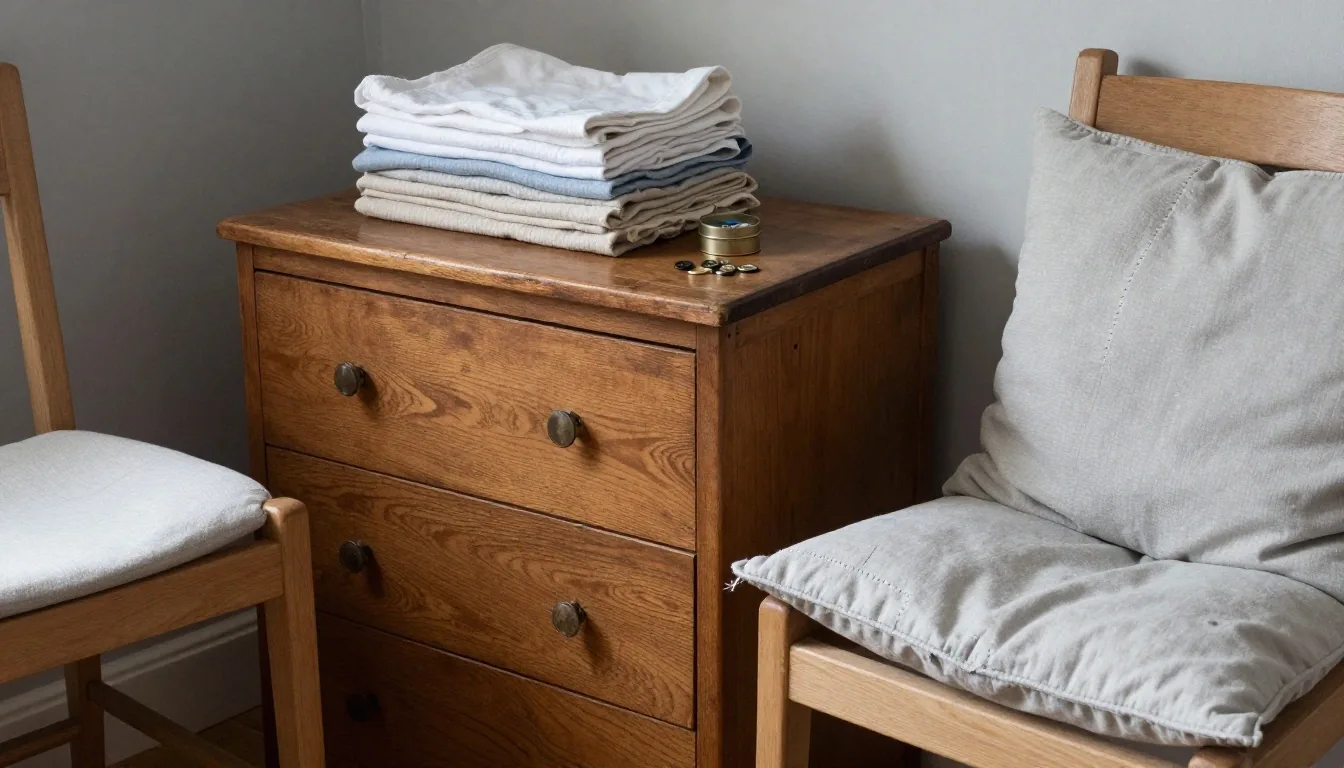
These rooms are usually about textiles and furniture, not packaging. Repurposing old clothes into cloths or repairs extends their life before disposal. Furniture gets a second life through repair or upcycling rather than replacement.
Try an upcycling projectWhat this looks like in practice
- A shirt that has gone at the collar becomes cleaning cloths rather than a rag bag you never open.
- A wobbling chair leg gets a new screw and a wipe of wax before anyone thinks about replacing the chair.
- A plain jar with a tired label becomes kitchen storage, a pen pot, or a plant holder.
- A solid-wood side table gets sanded and oiled instead of going to the tip.
The upcycling projects page carries the step-by-step versions, including creative upcycling ideas for glass jars and simple upcycling projects you can finish in an evening.
Sustainable home essentials worth owning
The short list is not exciting, and that is the point. Buy essentials once and use them until they wear out. Anything beyond this list should be answering a problem you actually have, not one you read about.
Where these live
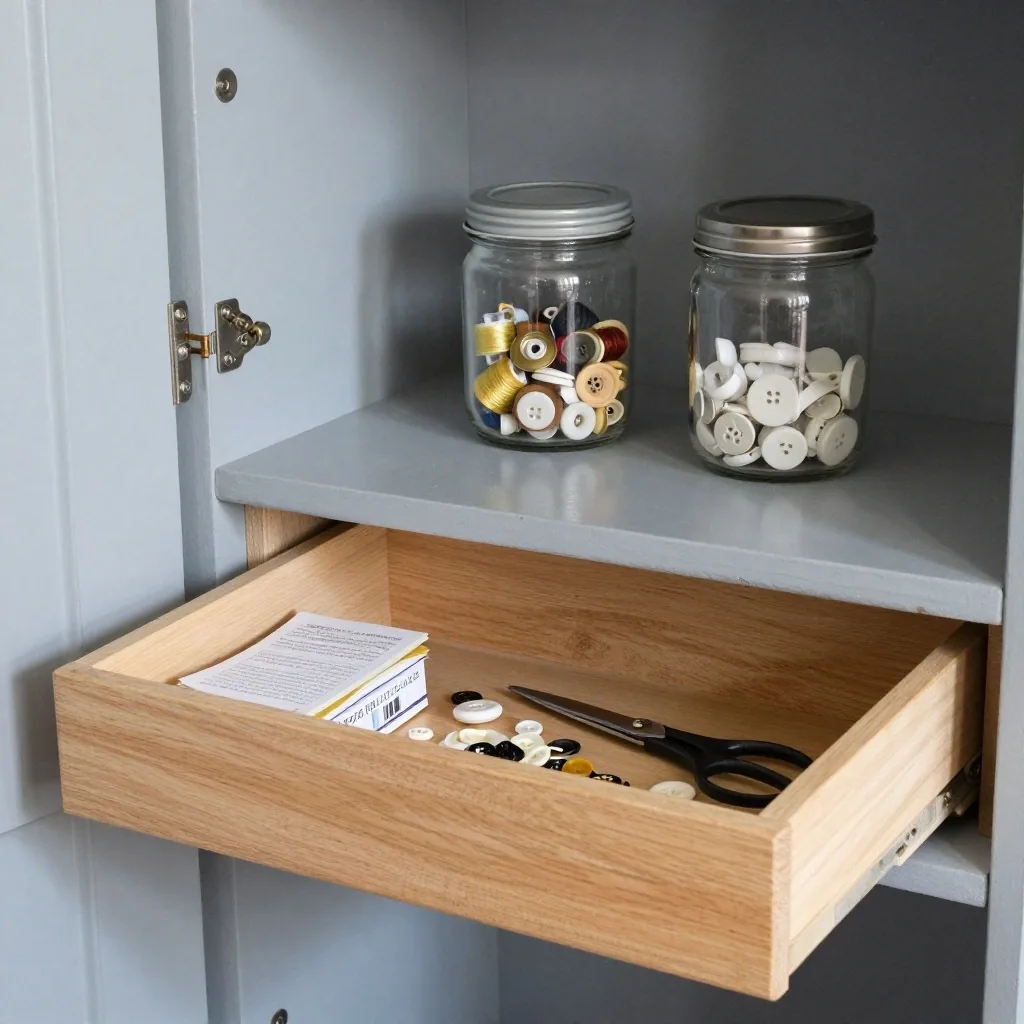
Containers belong where you unpack; cloths where you clean; the repair kit where you sit. Storage that is convenient gets used, storage that is tidy does not.
What to skip
Matching jar sets, single-purpose gadgets and storage you have to reorganise to reach. None of them reduce waste; most of them add to it.
What is household-specific
A family with a freezer needs different containers to a flat with a small fridge. Start from your own routine rather than a shopping list.
Reducing what comes through the door
The biggest lever in any home is what you allow in. These steps are not glamorous, but they cut volume steadily.
Junk mail
Unaddressed post can be cut through a preference service, and addressed marketing through the sender. It takes a few weeks to take effect, so expect the pile to shrink rather than vanish.
Online orders
Consolidating orders helps more than any packaging preference you can tick at checkout. Fewer deliveries means fewer boxes, fewer air pillows and less tape.
Repair before replace
Reattaching a button, patching a seam or fixing a loose handle takes minutes and keeps an item out of the bin. Keep the kit where you will reach for it, not in a cupboard you open twice a year. Tools left out get used.
Buying in bulk
Buying in bulk saves packaging when you already use the item weekly and can store it properly. Buying in bulk to feel prepared usually means the back of a cupboard fills up instead of the bin.
When a room is done
A room is done when the easy swaps are habits and the waste going out has dropped noticeably. Move to the next room only then. If you want a bigger project, the upcycling guide offers projects that use what you already have rather than sending you shopping.
Some rooms take a fortnight and some take a season. That is normal. What matters is that the change survives a busy week, not that you finished the list.
Room by room, at a glance
| Room | Main waste source | Where to start |
|---|---|---|
| Kitchen | Packaging, food scraps, food bought and never eaten | Reusable containers and produce bags, then the caddy |
| Bathroom | Bottled wash, single-use rounds, small plastic items | Bar soap and washable pads, bought as things run out |
| Living room | Textiles and furniture replaced too early | Repairs first, upcycling projects second |
| Bedroom | Clothing and bedding worn past the point of repair | Repurpose old clothes into cloths before buying new |
This is a sequence, not a score. Most households never tick every row, and none of these swaps need new fixtures or a landlord's permission.
Questions that come up in every household
These are the ones readers send in most often. If your situation is not covered, the starter guide works through the first fortnight in more detail.
What is the difference between upcycling and recycling?
Recycling breaks an item down into raw material and makes something new from it. Upcycling keeps the item as it is and gives it a better use, which usually takes less energy and often lasts longer. The upcycling vs recycling difference matters most at home: a jar that becomes storage never enters a recycling stream at all.
Do I need to buy a zero waste starter kit before I begin?
No. Most homes already own the useful parts: a sealable container, a couple of cloths and a needle and thread. Buy the rest as specific needs appear rather than as a set. A starter list is a plan, not a shopping basket.
How do I reduce household waste when I rent?
Everything in this guide is behaviour and small equipment, not fixtures. Containers, cloths, caddies and produce bags move house with you. If you cannot install a compost bin, keep the food waste in the council caddy and use the composting guide for the options that suit a rented flat.
Is plastic free food storage actually practical?
For dry goods, leftovers and packed lunches, yes. Glass and stainless steel containers seal well, take heat and last years. Where plastic free alternatives are not realistic yet, use the plastic you already own until it fails rather than replacing a working shelf of containers.
How long before I notice a difference?
The kitchen bin usually shows the change within a few weeks, because packaging and food waste are both frequent. Bathrooms move more slowly, since items there are replaced months apart. Judge each room on its own rhythm instead of a whole-house total.
Pick the room you use most
Start with the kitchen and work outward, or jump straight to the room that fills your bin fastest. The beginner guide lays out the first two weeks if you would rather follow a fixed order.
Start with the beginner guideTurn a household item into something useful
Jars, fabric and furniture are the three things most homes already have. The projects page shows how to upcycle glass jars, repurpose old clothes into cloths and bags, and repair a piece before buying another.
Try an upcycling project