
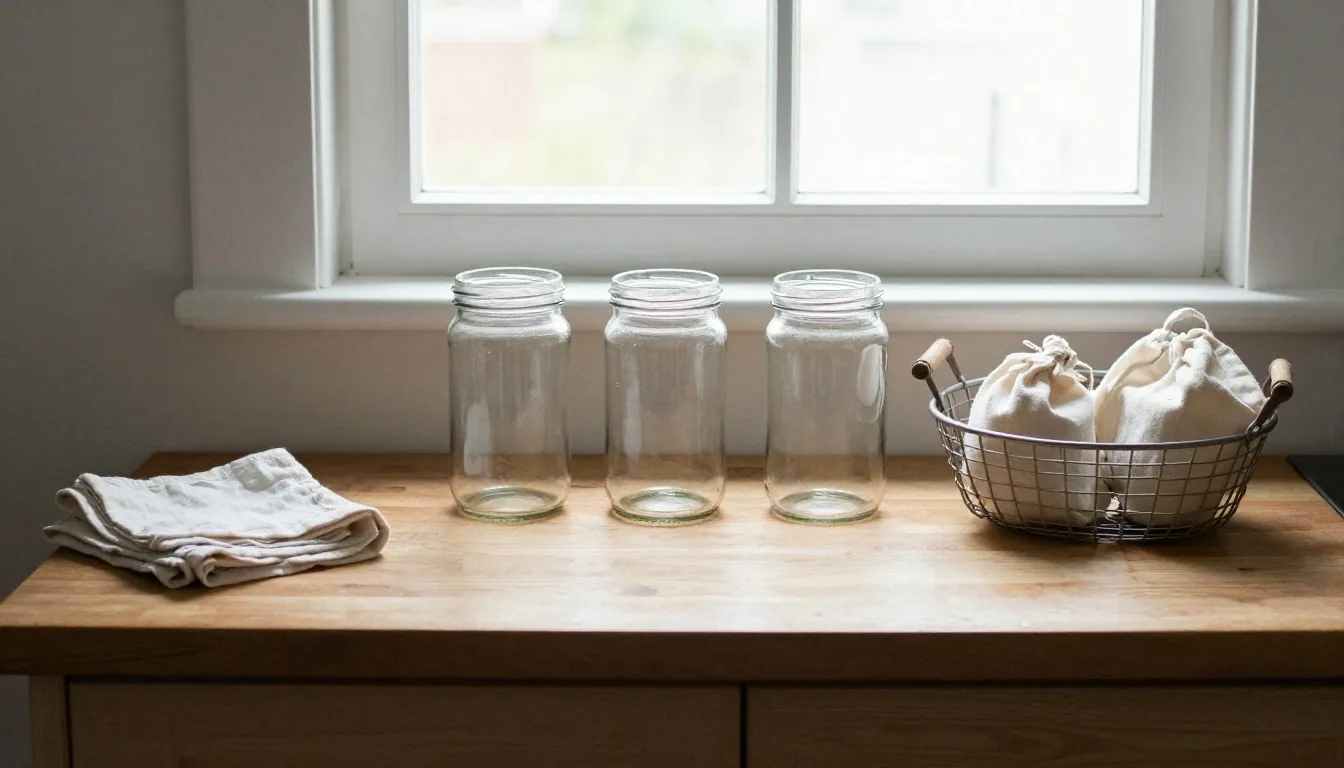
Zero waste starter guide
A zero waste starter guide for absolute beginners
This guide is for people who have read about zero waste and have not started yet. No bin audits, no pressure to make your own toothpaste. What follows is a four-week sequence built around one rule: change the habits you already repeat daily, and leave the rest for later.
How to use this page
Four weeks, one rule, and a list you write yourself
Zero waste living gets sold as a shopping list. It works better as a sequence. Read the four weeks in order the first time, then come back only to the week that matches whatever is going wrong in your kitchen. Nothing here needs a specialty shop, a new appliance, or a subscription.
Week one
Notice what you throw away. Change nothing yet.
Week two
Swap the three easiest items on your list.
Week three
Deal with food scraps, the heaviest thing in the bin.
Week four
Change what comes home from the shop.
Before you change anything
Your first week is an observation week, not a shopping week
Week one
Observe, do not change anything
Spend seven days noticing what you throw away. Not measuring, not judging, just noticing. Most people find two or three items dominate their waste: food packaging, takeaway cups, or paper towels. Write them down. This list becomes your work order, and it will be shorter than you expect.
Keep the list somewhere you will see it — the notes app you already open, or the back of an envelope by the bin. When you know how to reduce household waste in your own kitchen, it starts from this list rather than from someone else's starter kit.
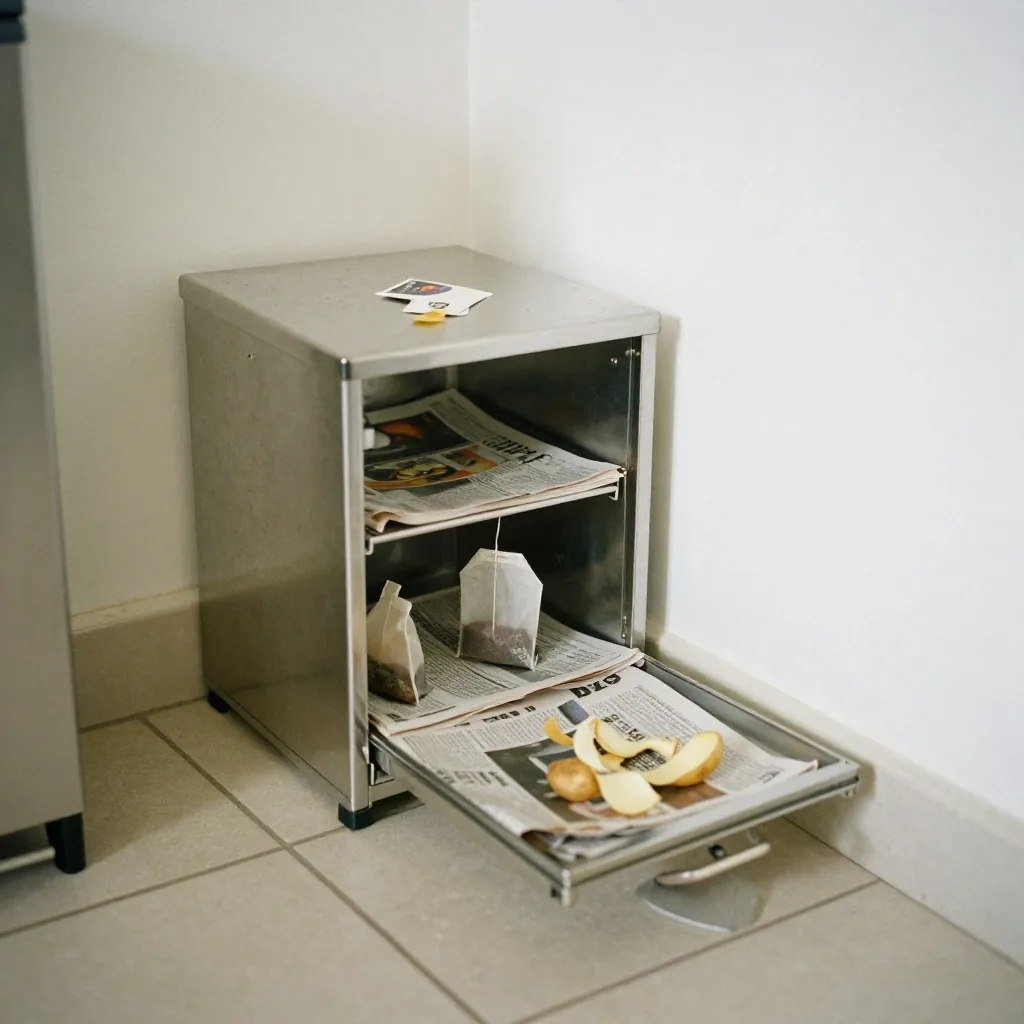
A week of noticing usually points to two or three repeat offenders, not twenty.
Week two
Swap the top three items
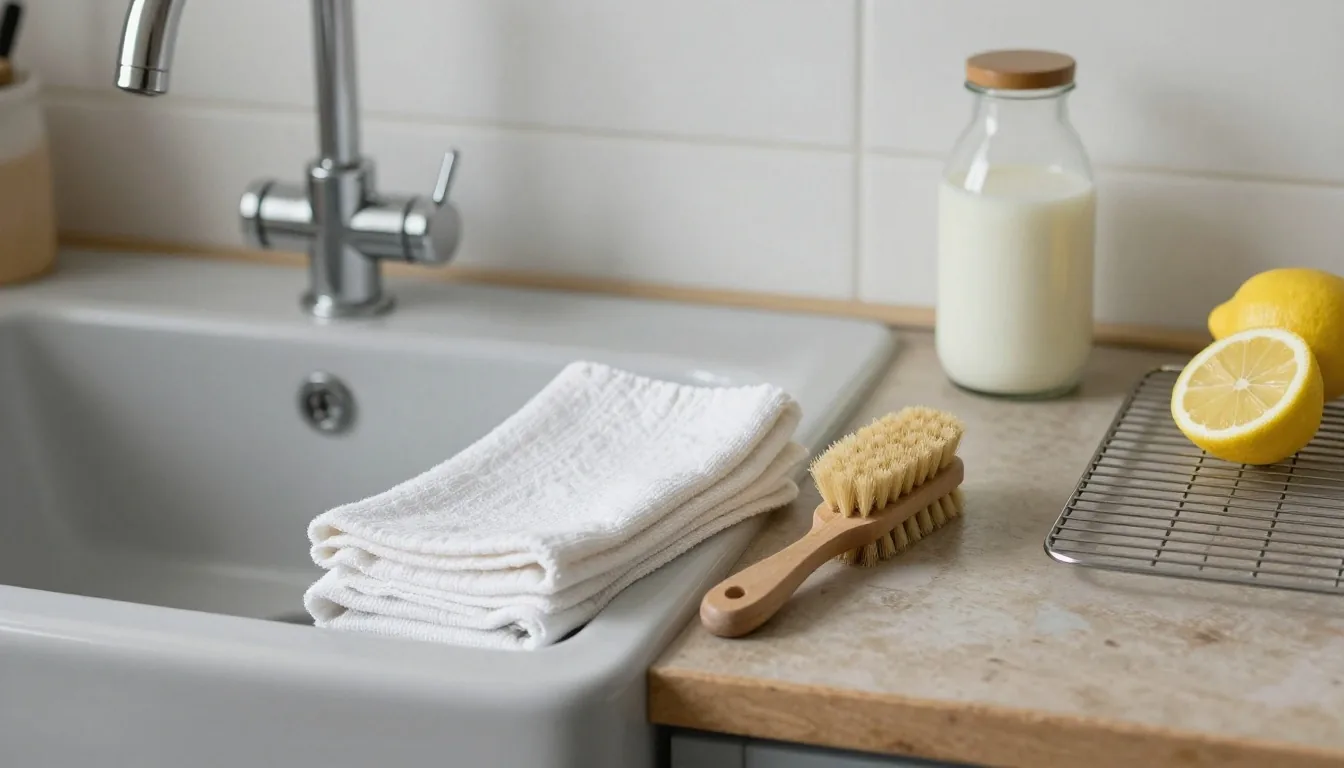
Take your list and replace the three easiest. If takeaway coffee is on it, a cup you carry is the fix. If paper towels are on it, a stack of cloths works, and old t-shirts make good ones. Buy nothing you cannot picture using next week. The goal is momentum, not a complete kit.
-
Takeaway drinks
One cup you will actually carry beats three you leave at home. Keep it in the bag you take out most often, not on a shelf.
-
Paper towels
A stack of cloths lives beside the sink. Old t-shirts cut into squares are already soft and already paid for.
-
Food packaging
Start with one loose item you buy weekly. Loose fruit and vegetables are a first, low-effort plastic free alternative.
Week three
Handle food waste
Food scraps are usually the heaviest thing in a UK household bin. If your council collects food waste, a small countertop caddy is the whole setup. If not, and you have any outdoor space, a basic compost bin handles most of it.
Composting food scraps at home is slower than buying something, and that is the point — it deals with weight, not packaging, so it matters more than any swap on your week-two list.
Composting at Home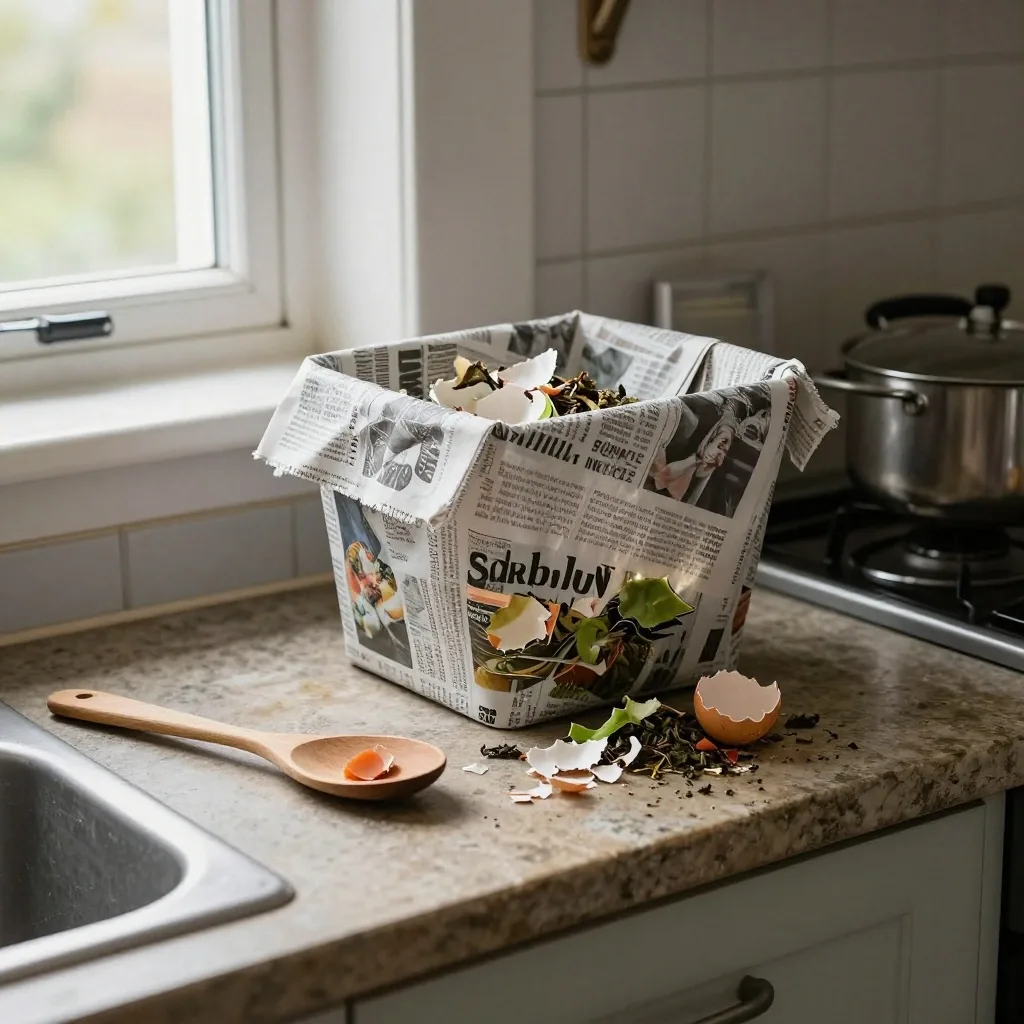
Week four
Shopping and storage
Now look at what you bring home. Reusable produce bags, glass containers for leftovers, and a habit of buying loose where it is available. If you buy in bulk, buy amounts you will finish.
- Produce bags
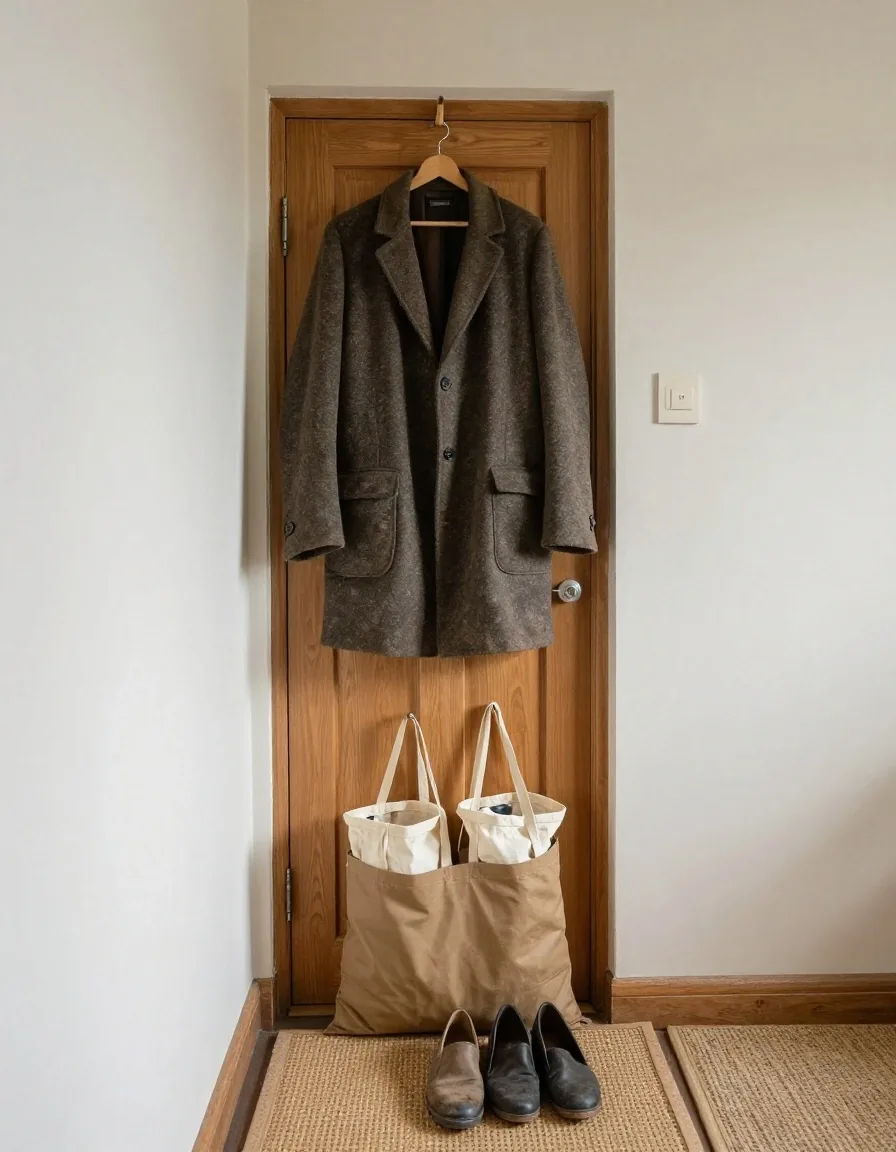
- Two or more cloth bags in the coat or bag you shop with. They only work if they travel with you — that is most of the reusable produce bags guide in one line.
- Leftover containers
- Glass or stainless, in two or three sizes you actually use. This is the core of plastic free food storage at home, and it costs nothing if you already own jars.
- Buying loose
- Where loose is available and the price is sane, take it. Sustainable shopping tips work better as one habit than as a rulebook.
- Buying in bulk
- Buy amounts you will finish. A kilo of oats that goes stale is not low waste, it is a kilo of waste with extra steps.
- Wraps
- Beeswax wraps usage and care is simple: warm hands, gentle pressure, cool water to clean. Skip them if you already use containers for everything.
Your list
Your zero waste starter kit checklist
Build this over time, not in one order. Tick what you already own first — most kitchens are closer to a zero waste starter kit than they look.
Everything below is a sustainable home essential you can pick up locally, or already have in a cupboard.
-
A water bottle you will actually carry
Weight and lid matter more than material. If it is heavy, it stays home.
-
Two or more reusable produce bags
Cloth or mesh, small enough to fold into a coat pocket between trips.
-
Glass or stainless containers for leftovers
Two or three sizes cover most meals. Jars you already own count.
-
Cloths for cleaning, new or cut from old fabric
Old t-shirts cut into squares work. Give them one dedicated spot by the sink.
-
A small caddy for food scraps
Lined with paper, emptied often. It only works if it sits where you cook.
What to skip in month one
Skip anything that requires a specialty shop trip, a new appliance, or a subscription. Skip DIY cleaning products until you have read the safe ratios, since mixing the wrong things is genuinely risky. And skip the idea that you must do all of this at once. Beginners who overhaul everything in a weekend tend to stop within a month.
Skip the new appliance
A dehydrator, a special composter, a dedicated blender — none of it is week one work. If you later want one, you will know exactly why.
Skip home-mixed cleaners
Eco friendly kitchen cleaning is worth doing properly. Mixing acids and bleach-adjacent products is a real hazard, not a shortcut.
Skip the full overhaul
A weekend rebuild of every habit in the house usually ends by the end of the month. Three changes hold longer than thirty intentions.
What actually holds
The habits that stick versus the ones that do not
Habits that survive are the ones attached to something you already do. Putting the produce bags back in your coat after unpacking shopping works because the coat is already part of your routine. A perfectly organised bulk-buying system that needs a separate trip usually does not. Attach each new habit to an existing one and it holds.
This is the same reason a whole set of eco friendly living ideas can sound convincing and still fail in a normal week. The ones built into an existing trip or an existing minute of your day survive. Everything else asks for a new appointment in your calendar.
Checking your own work
Measuring progress without apps
You do not need to weigh your bin. A simpler check: has the number of bin bags you put out per week gone down? Most households notice within a month. If it has not, revisit your top three items rather than adding new swaps. Two or three real changes beat ten intentions.
Count bags, not grams
One number, no scale, no app to open.
Check after a month
A month is long enough for a repeat habit to show up.
Revisit before adding
If nothing changed, fix the first three swaps before you take on new ones.
Zero waste tips for beginners, answered plainly
What is the actual difference between upcycling and recycling?
Recycling breaks a material down and makes it into something new, usually outside your home. Upcycling keeps the object and gives it a new job — a jar becomes a storage pot, a shirt becomes cleaning cloths. The upcycling vs recycling difference matters for beginners because upcycling usually costs nothing and happens today.
Do I need to buy a full zero waste starter kit before I begin?
No. Most people already own two or three items on the checklist. Buy only what you can picture using next week, and add the rest as the habits settle. A complete kit bought in one go tends to gather dust.
Is this only for people with a garden or a food waste collection?
No. If your council collects food waste, a small caddy is enough. If you have any outdoor space, a basic bin handles most scraps. If you have neither, the packaging and storage weeks still work on their own, and the composting guide explains the limits honestly.
Where do upcycling ideas fit into the four weeks?
They fit best in week two and after. Reusing everyday items you already own — how to upcycle glass jars into storage, repurposing old clothes into cloths — is the cheapest version of a swap, so it belongs before you buy anything.
How long before this feels normal?
For the three swaps you choose in week two, usually a fortnight. For everything else, longer. There is no deadline set by this site, and the next guides keep the same pace rather than asking you to catch up.
When you are ready for more
When to move on to the next guide
Once the starter swaps feel automatic, the low waste home guide extends the same logic room by room. That is the natural next step. There is no deadline, and nothing on this site assumes you finish in a set time.
Still stuck on something
Ask a question
If a swap does not fit your kitchen, your council, or your budget, ask. Questions are answered during working hours, Monday to Friday, 9:00 AM – 6:00 PM and Saturday, 10:00 AM – 2:00 PM.
- [email protected]
- +44 117 496 0283
- 42 Bramley Road, Bristol, BS6 5BT, United Kingdom